What Does a Modern Slots Mobile Casino Look Like for a British Player?

When I first started seeing this industry change, a "mobile casino" meant maybe a few basic blackjack tables squeezed onto a tiny screen. You were grateful it worked at all. Now, the entire experience is built for the palm of your hand, and nowhere is that clearer than with online slots. The games themselves, the payments, the safeguards – it's a world apart from the clunky beginnings. For a player in Great Britain today, understanding this ecosystem isn't just about finding fun; it's about recognising how the framework of rules shapes every spin, something we never had to consider in the same way years ago.
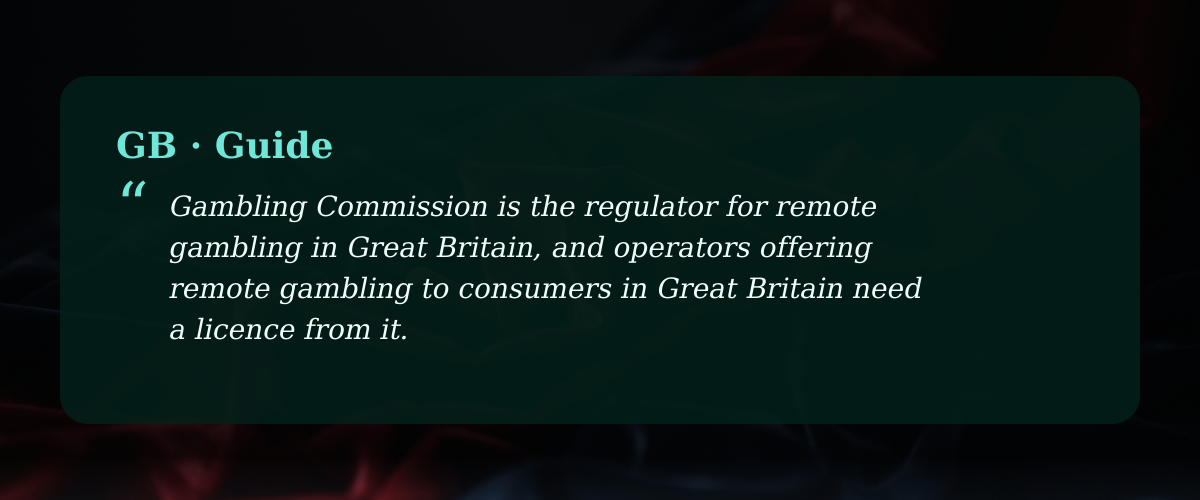
That framework, of course, comes from the UK Gambling Commission. Any operator offering remote gambling, including your hadesbet casino and others, must hold its licence. This isn't just a formality. It's what mandates age verification before you can deposit a penny, integrates you with the national GamStop self-exclusion scheme, and enforces the stake limits that now define playing slots online. The licence is the bedrock, and without it, you're stepping into territory that lacks the basic protections British players have come to rely on.
So, what should you look for? Let's talk about the reality of playing slots on your phone or tablet in 2026, from the technicalities that keep you safe to the simple pleasures of a well-designed game on a commute. I'll draw a few comparisons with how things used to be run, because context matters. The industry has moved, sometimes by choice and often by regulation, towards a model that is slower, more considered, and in my view, more sustainable for everyone involved.
How Have UK Slot Stakes Changed and What Does a Game Cycle Mean?
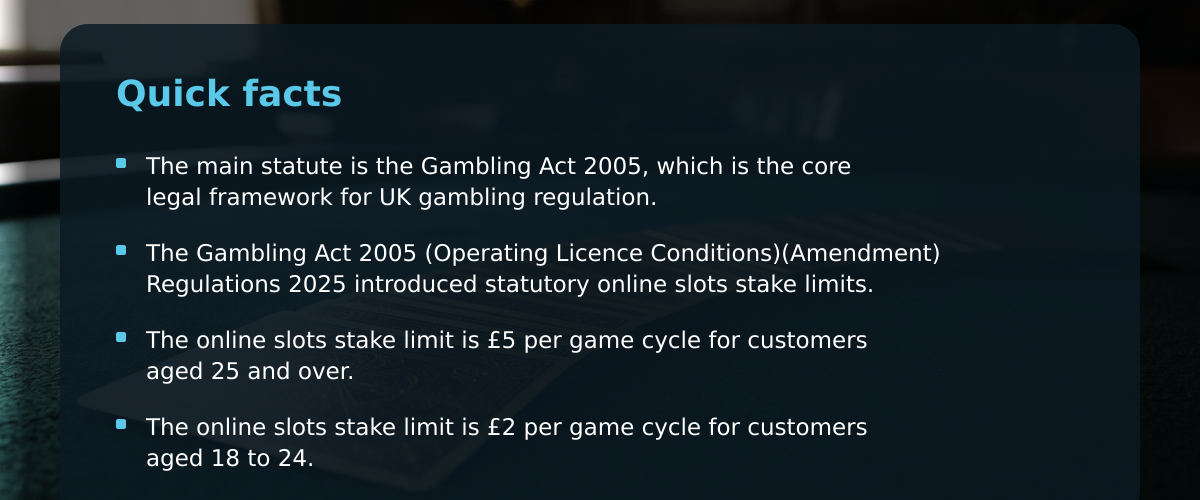
If there's one topic that defines the current conversation, it's the statutory stake limits. Back in the day, operators set their own maximums, and you'd occasionally see dizzying figures that promised, or rather threatened, life-changing wins on a single spin. That era is decisively over. The Gambling Act was amended, and since 2025, hard caps are in force. For players aged 25 and over, you cannot stake more than £5 during any game cycle on an online slot. For those between 18 and 24, that limit is set at £2.
The crucial bit of jargon here is "game cycle". The Commission defines it as the total amount staked in relation to any game cycle for an online slots game. In plainer terms, think of it as one complete round of play – from the moment you set your bet and initiate the spin, through any bonus rounds or re-spins that are part of that same sequence, until the final outcome is determined and your winnings, if any, are awarded. You cannot exceed the limit within that entire cycle, regardless of how many features it triggers.
Why Do Payment Methods and Verification Matter More Than Ever?
This is where the practicalities of being a British punter really come into focus. First, forget about using a credit card for gambling deposits; they've been banned for years. The landscape is dominated by methods that draw directly from funds you have: debit cards, PayPal, Apple Pay, and prepaid options like Paysafecard. The shift towards these reflects a broader principle: playing with money you actually possess, not borrowed credit.
Before you can use any of them, however, you'll hit the verification wall. A UKGC- licensed site will ask for proof of identity and age before your first deposit. This isn't a suggestion or a marketing ploy – it's a licence condition. They must know you are who you say you are and that you're 18 or over. This process, which can feel like a delay to the eager newcomer, is perhaps the single most important consumer protection in place. It stops underage play cold and forms the foundation for everything that follows, from affordability checks to self-exclusion tools like GamStop. In the old model, this gate was far weaker, and we all saw the consequences.
What Technical Protections Operate in the Background?
Beyond the rules you see, there are systems working quietly that are just as critical. Every licensed operator is required to implement a suite of technical standards. Anti-money laundering measures are a significant part of this, monitoring transactions for patterns that might indicate something other than leisure gambling. But for the average player, the more relevant tools are those tied to responsible gambling.
The integration with GamStop is seamless and mandatory. If you sign up for self-exclusion via that free national scheme, licensed sites will block new account creation and access. Operators are now compelled to conduct affordability checks, assessing whether your level of play is sustainable against broader financial data. This can feel intrusive, I know, but it's the industry's attempt to catch problem behaviour before it escalates. We used to operate on a "player knows best" assumption, which proved tragically flawed. The system now is designed to intervene, however uncomfortable that might feel in the moment.
How Does the Tax and Duty Structure Affect Your Winnings?
Here's a piece of unequivocally good news for players in the UK: your gambling winnings are entirely tax-free. That £500 jackpot or that accumulator that comes in stays yours in full. The duty is paid on the operator's end through the Remote Gaming Duty, which is levied on their gross gambling yield. The rate for this duty has been set at 40% from April 2026.
This structure is a legacy of the Gambling Act 2005 and is something we've enjoyed for a long while. It removes a layer of complexity and uncertainty for the punter. You never need to consider declaring a win to HMRC or setting aside a portion for tax. The operator's financial obligation is separate from your prize, a clear division that benefits the player and simplifies the entire process from withdrawal to spending.
What Should a Newcomer Avoid When Choosing a Slots Mobile Casino?
The typical mistake I see, time and again, is the rush to play. The allure of a bright game or a welcome offer can bypass the due diligence. My strong advice is this: your first check should always be for the UK Gambling Commission licence. This information is always displayed at the foot of a legitimate site's homepage. If you cannot find it easily, or if the site seems evasive about its regulatory status, walk away immediately. No bonus is worth forfeiting the protections that licence guarantees.
Secondly, be wary of any site that doesn't ask for verification details promptly. A platform that lets you deposit vast sums without confirming your age is not being convenient; it's being reckless and is almost certainly unlicensed for the UK market. Finally, understand the stake limits. If you're presented with an option to bet £10 on a slot, you are not on a UKGC-licensed site. Those £5 and £2 ceilings are absolute and cannot be overridden.
How Does the Mobile Experience Compare to the Desktop of Old?
The difference is night and day. The early online casinos, even the reputable ones, were designed for large monitors and stable internet connections. The mobile version was an afterthought. Today, the entire design philosophy is mobile-first. Game developers like NetEnt and Play'n GO build their slots with touch screens in mind, ensuring that controls are intuitive and graphics remain sharp on a smaller display.
The convenience is unparalleled. You can manage your account, make a deposit via Apple Pay while waiting for a train, and play a few spins on a favourite game – all within a secure, regulated environment. The social aspect has shifted too; where once a betting shop or a casino floor offered camaraderie, now it's the shared experience of a big football match or a major horse racing event, with in-play bets placed from your sofa. The industry has moved to meet the player where they are, literally. The core activities – picking a game, placing a bet, hoping for luck – remain timeless. But the vessel in which we do it, and the rules that govern it, have been utterly transformed.
Looking at the landscape now, my observation is this: the British slots mobile casino scene is defined by constraint. Constraint on stakes, constraint on verification, constraint on payment methods. To some, that might sound restrictive, and in a literal sense, it is. But from my vantage point, having seen the wilder years, these constraints are what have given the industry a firmer footing. They force a slower pace, encourage a more deliberate style of play, and place hard barriers against the most harmful excesses. The fun is still there, in the ingenuity of the games and the thrill of the spin. It's simply now housed within a structure that acknowledges the risks as well as the rewards. That, ultimately, is a sign of maturity.